Key Takeaways
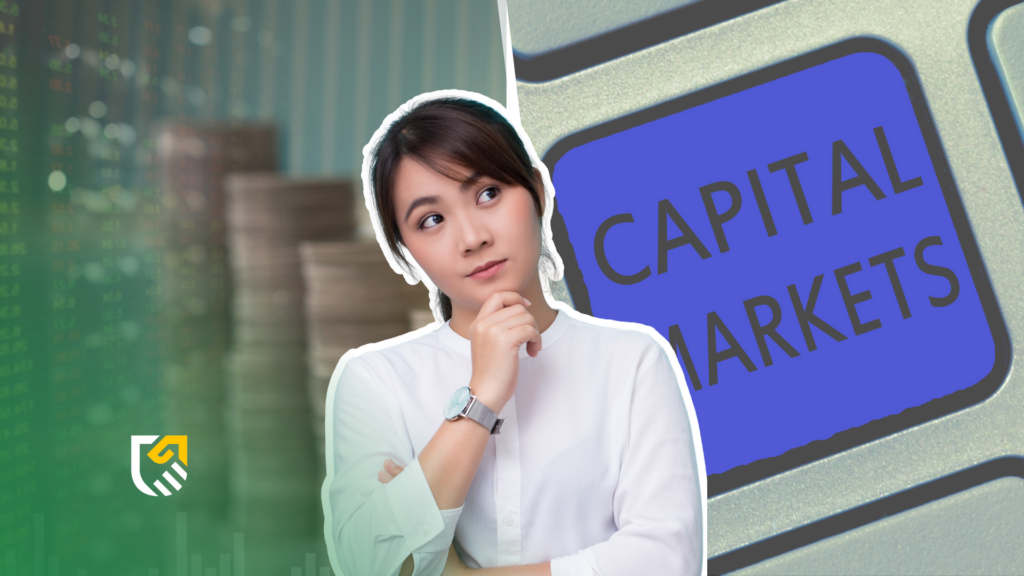
Capital markets are crucial financial systems where individuals and organizations raise money by trading long-term securities like stocks and bonds, fueling economic growth.
- Funds are raised via Equity (selling ownership/stocks) or Debt (selling loans/bonds).
- New securities are issued in the Primary Market.
- Existing securities are traded in the Secondary Market.
- Key players are investors, issuers (companies/governments), and brokers.
Capital markets play a vital role in the global economy, but what exactly are they, and how do they work? Let’s break it down in simple terms.
What are Capital Markets?
Capital markets are where individuals, companies, and governments raise funds which can be done via equity capital markets or debt capital markets by selling securities like stocks and bonds to investors. These markets facilitate the flow of capital from those who have it (investors) to those who need it (issuers).
What are Securities?
Securities are financial assets that can be bought and sold in public and private markets. They include ownership in companies (stocks), loans to governments or corporations (bonds), and other instruments like mutual funds and others. Securities allow investors to participate in the economy, diversify their investments, and manage risk by trading in different markets.
Now, let’s talk about how companies and governments raise funds using these securities.
Equity Capital Market (ECM): This is one way companies raise funds by selling stocks. Stocks represent a piece of ownership in a company, and people who own stocks are called shareholders. Let’s say a company wants to expand its business, they can sell stocks to investors in the stock market to raise money for their expansion plans.
Debt Capital Market (DCM): This is another way to raise funds, but instead of selling ownership (like stocks), companies or governments sell bonds to investors. Bonds are like loans that investors give the bond issuer in exchange for regular interest payments and the return of the bond’s face value when it matures. For instance, when the government needs money for big projects like infrastructure, or construction of schools, they might issue bonds. When you buy these bonds, you’re lending money to the government, and they promise to pay you back with interest later on.
What are Ways Investors can Invest?
Primary Market: This is where new securities are issued for the first time. Companies looking to raise capital through an Initial Public Offering (IPO) or governments issuing bonds typically do so in the primary market.
Secondary Market: Once securities are issued in the primary market, they are bought and sold among investors in the secondary market. This is where most trading takes place, with prices determined by supply and demand.
Who are The Key Players in Capital Markets?
Investors: Individuals, institutions, and even governments who purchase securities with the aim of earning a return on their investment.
Issuers: Companies and governments that issue securities to raise capital for various purposes such as expansion, investment, or debt refinancing.
Intermediaries: Entities like investment banks, stockbrokers, and exchanges that facilitate the buying and selling of securities in the capital market legally.
Unicapital, Inc. – your partner in Financial Growth
Unicapital, Inc. is a key player in the capital markets, specializing in providing financial services and investment opportunities to clients. As an investment firm, Unicapital helps individuals and businesses navigate the complexities of the financial markets, offering expert advice and tailored solutions to meet their unique needs.
Expert Guidance: Unicapital’s team of professionals offers invaluable advice and assistance to clients seeking to make informed investment decisions.
Customized Solutions: Unicapital understands that every client’s financial situation is unique. They offer personalized solutions designed to meet specific needs and objectives.
Market Access: Through Unicapital, investors gain access to a wide range of investment opportunities in the capital markets, helping them build diversified portfolios.
Capital markets are the lifeblood of the global economy, fueling growth and prosperity. With Unicapital, Inc. as a trusted partner, navigating these markets becomes more accessible, empowering individuals and businesses to achieve financial success.
Unicapital, Inc. is a financial company in the Philippines licensed by the Philippine Securities and Exchange Commission to provide the widest array of finance and investment banking-related services.
Frequently Asked Questions (FAQs)
Capital markets are where companies and governments raise funds by selling securities like stocks and bonds to investors. Their primary role is to move long-term capital from those who have it (investors) to those who need it (issuers).
The Equity Capital Market (ECM) is where companies raise funds by selling stocks, which represent ownership. The Debt Capital Market (DCM) is where funds are raised by selling bonds, which are essentially loans that pay interest.
he Primary Market is the marketplace where new securities are issued for the very first time. Companies looking to raise fresh capital through an Initial Public Offering (IPO) or governments issuing bonds do so here.
The three main participants are Investors (buyers aiming for returns), Issuers (companies/governments raising capital), and Intermediaries (like stockbrokers and investment banks that facilitate the trading).
Securities are financial assets that can be bought and sold, representing ownership or a creditor relationship. Common examples include stocks (ownership), bonds (loans), and pooled instruments like mutual funds.