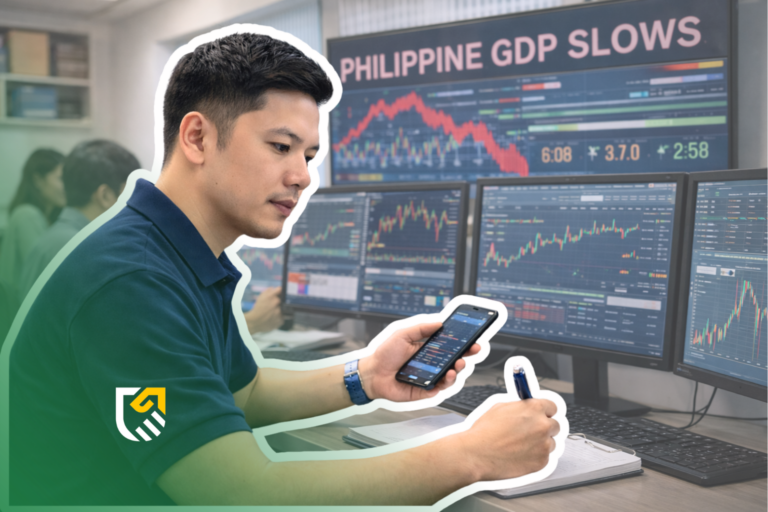
Today’s investment environment is shaped by constant movement. Rising oil prices are pushing costs higher across industries. Geopolitical tensions continue to affect global markets. At the same time, rapid developments in artificial intelligence are reshaping how businesses operate and compete.
In response, many investors are choosing to stay liquid. This does not mean they lack direction or confidence. It means they recognize that conditions are still evolving. Instead of committing too early, they are positioning themselves to act at the right time.
This shift is changing how short-term placements are viewed. They are no longer just a temporary place to hold funds. They are becoming part of a broader and more deliberate investment strategy.
How Rising Oil Prices Influence Investment Decisions
One of the most immediate pressures in today’s market comes from rising oil prices. Higher fuel costs affect transportation, production, and logistics. These increases often lead to higher prices for goods and services, which in turn influence inflation.
As inflation expectations shift, businesses may experience tighter margins, and consumers may adjust their spending. This creates a layer of uncertainty for long-term investments.
In this kind of environment, investors often look for ways to stay cautious without stepping out of the market entirely. Short-term instruments provide a way to preserve capital while maintaining flexibility. They allow investors to stay engaged without taking on long-term commitments during periods of cost-driven volatility.
Why AI Is Changing When Investors Decide
At the same time, artificial intelligence is accelerating changes across industries. Companies are adopting new technologies to improve efficiency, reduce costs, and gain competitive advantages. Entire business models are evolving more quickly than before.
Because of this, investors are not only asking where to invest, but also when. The timing of capital allocation has become just as important as the choice of investment itself. Entering too early or too late can affect outcomes significantly.
Short-term placements offer a way to observe these shifts more closely. They provide the flexibility to wait, assess which sectors are benefiting from these changes, and allocate capital when the direction becomes clearer.
Managing Short-Term Funds Requires Active Thinking
It is important to understand that short-term investing is not passive. It still requires careful decisions. Investors need to consider which instruments to use, how long to hold them, and how interest rate movements may affect returns.
These decisions influence how quickly funds can be accessed and how well they align with potential opportunities. Choosing the right duration, for example, can ensure that capital becomes available at the right time.
In this sense, short-term positioning is an active part of portfolio management. It requires attention, planning, and alignment with broader investment goals.
Liquidity as a Form of Readiness
Liquidity is often misunderstood as inactivity. In reality, it can be a strategic advantage. Having accessible funds allows investors to respond quickly when opportunities arise.
Markets often present moments when valuations adjust or new opportunities emerge. Investors who are fully committed to long-term positions may find it harder to act during these periods. Those with available liquidity, on the other hand, can move more decisively.
Liquidity also reduces the need for forced decisions. When investors have flexibility, they can choose when to act rather than reacting under pressure.
How Short-Term Positioning Supports Long-Term Goals
What investors do with their short-term funds today can shape their long-term outcomes. Thoughtful positioning helps preserve capital, maintain stability, and prepare for future opportunities.
By managing short-term placements carefully, investors create a foundation that supports their broader strategy. They remain engaged in the market while keeping the flexibility to adjust as conditions evolve.
This approach connects immediate decisions with long-term objectives. It ensures that capital is not only protected, but also ready to be deployed when the time is right.
A More Balanced Way to Navigate Today’s Market
In a market influenced by rising oil prices and structural shifts such as artificial intelligence, timing and flexibility have become as important as direction. Investors are no longer simply choosing between being fully invested or completely on the sidelines.
Short-term instruments offer a middle ground. They allow investors to stay active, preserve value, and remain prepared for what comes next.
Unicapital supports investors in managing this balance. By helping align short-term placements with long-term goals, the firm provides guidance on maintaining liquidity, generating returns, and staying ready for future opportunities.
Staying liquid is not about waiting. It is about being prepared.
About Unicapital Group
The Unicapital Group is a full-service investment house offering a wide array of products and services, including–but not limited–to investment banking, financing and lending, treasury services, and securities brokerage. Founded in 1976, Unicapital is a leading independent financial services provider that enables and supports the growth of mid-cap and high-growth companies in emerging industries. The group provides an integrated, innovative, and customized range of products and services through the three companies that comprise the group: Unicapital Inc., Unicapital Finance and Investments, Inc., and Unicapital Securities, Inc.